Common Signs of Aging Skin and How to Manage Them
- glenmaxwel700
- Feb 16
- 5 min read
As we age, our skin undergoes several natural changes. These changes can be visible and sometimes affect confidence and comfort. Understanding the common signs of aging skin and learning how to manage them can help you maintain a healthy, vibrant appearance.
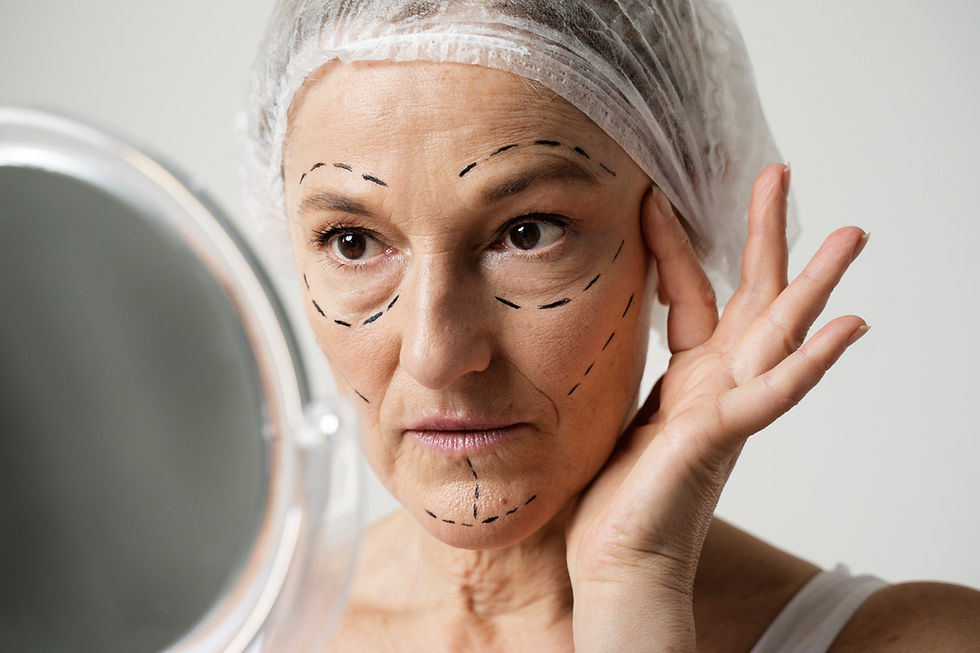
Wrinkles: Fine Lines and Deep Folds
Wrinkles are one of the most noticeable signs of aging. They occur as the skin loses elasticity and the production of collagen and elastin decreases. Fine lines often appear first around the eyes and mouth, while deeper folds may develop on the forehead and cheeks over time.
Causes of Wrinkles
Several factors contribute to wrinkle formation:
Sun exposure: Ultraviolet (UV) rays accelerate collagen breakdown.
Smoking: Toxins reduce blood flow to the skin, causing early wrinkling.
Facial expressions: Repeated movements, such as frowning or squinting, can deepen lines.
Genetics: Your family history influences how quickly your skin develops wrinkles.
How to Manage Wrinkles
Daily sun protection: Apply a broad-spectrum sunscreen with at least SPF 30 to prevent UV damage.
Moisturising: Hydrated skin appears plumper, reducing the visibility of fine lines. Look for moisturisers containing hyaluronic acid or glycerin.
Topical treatments: Retinoids can boost collagen production, while antioxidants such as vitamin C protect against free radical damage.
Healthy lifestyle: A balanced diet, regular exercise, and adequate sleep support skin health from within.
Professional treatments: Procedures like chemical peels, microdermabrasion, or laser therapy can smooth wrinkles, though discussing options with a dermatologist is essential.
Even simple steps, such as wearing sunglasses and using gentle skin care products, make a noticeable difference in preventing and reducing wrinkles.
Sagging Skin: Loss of Firmness
Sagging skin is another common sign of aging. As we get older, fat beneath the skin diminishes, collagen production slows, and skin loses its natural elasticity. This can lead to sagging around the jawline, cheeks, and under the eyes.
Causes of Sagging
Collagen reduction: Collagen provides structure; its decline makes the skin less firm.
Gravity: Over time, gravity pulls skin downward, accentuating sagging.
Lifestyle factors: Smoking, excessive sun exposure, and poor nutrition can accelerate loss of firmness.
How to Manage Sagging Skin
Facial exercises: Certain exercises may strengthen underlying muscles and improve appearance.
Moisturising creams: Products with peptides or collagen-stimulating ingredients can enhance skin elasticity.
Healthy diet: Foods rich in protein, vitamin C, and omega-3 fatty acids support collagen production.
Non-invasive treatments: Radiofrequency therapy and ultrasound treatments can tighten skin.
Surgical options: Procedures like facelifts or neck lifts are available for more pronounced sagging, but consultation with a specialist is essential.
Maintaining a consistent skin care routine and protecting skin from the sun significantly slows sagging over time.
Dark Spots: Age Spots and Hyperpigmentation
Dark spots, often called age spots or liver spots, are common as skin ages. They appear due to prolonged sun exposure, hormonal changes, or the natural aging process. They are most noticeable on areas frequently exposed to the sun, such as the face, hands, and arms.
Causes of Dark Spots
UV exposure: Sunlight increases melanin production, resulting in pigmentation.
Hormonal changes: Pregnancy, menopause, or certain medications may trigger spots.
Skin injuries: Scars or inflammation can lead to post-inflammatory hyperpigmentation.
How to Manage Dark Spots
Sunscreen: Daily application prevents new spots from forming.
Topical treatments: Ingredients like niacinamide, vitamin C, and hydroquinone reduce pigmentation.
Chemical peels: Superficial peels help lighten existing spots.
Laser treatments: Targeted laser therapy can remove stubborn pigmentation.
Natural remedies: Ingredients like aloe vera, green tea extracts, and licorice extract provide gentle brightening effects.
With consistent care, dark spots can become less noticeable, and new ones can be prevented effectively.
Benign Growths: Seborrheic Keratosis
Alongside wrinkles, sagging, and dark spots, aging skin may develop benign growths such as seborrheic keratosis. These growths are harmless but can appear raised, waxy, or slightly rough. While they rarely cause medical problems, many people find them bothersome or unsightly.
Causes of Seborrheic Keratosis
Age: Most commonly appears after age 40.
Genetics: Family history can increase likelihood.
Sun exposure: Long-term sun exposure may contribute to growth development.
How to Manage Seborrheic Keratosis
Cosmetic removal: Procedures like cryotherapy, curettage, or laser treatment can remove growths if they are bothersome.
Topical treatments: Certain creams can help reduce irritation and soften the appearance.
Natural remedies: You can explore Natural Remedies for Seborrheic Keratosis or Natural Treatment for Seborrheic Keratosis to make growths less noticeable and improve skin appearance.
It’s essential to monitor any growth for changes in colour, shape, or size, as unusual changes may require medical evaluation.
Maintaining Overall Skin Health
Healthy skin requires a combination of external care and internal support. Daily routines and lifestyle choices play a major role in preserving skin tone, texture, and firmness.
Skincare Routine
Gentle cleansing: Avoid harsh soaps and cleansers that strip natural oils.
Moisturising: Use moisturisers suitable for your skin type to maintain hydration.
Sun protection: Reapply sunscreen every two hours when outdoors.
Exfoliation: Mild exfoliation removes dead skin cells and improves texture.
Nutrition for Skin Health
Vitamins and minerals: Vitamins A, C, D, E, zinc, and selenium promote skin regeneration.
Protein intake: Collagen-rich foods like fish, eggs, and legumes support structural integrity.
Healthy fats: Omega-3 fatty acids from fish, chia seeds, or flaxseed improve skin elasticity.
Hydration: Drinking plenty of water keeps skin supple and reduces the appearance of fine lines.
For additional support, you can explore Best Supplements for Daily Health UK online, which may provide nutrients that complement your diet and promote overall skin wellbeing.
Lifestyle Factors
Regular exercise: Stimulates circulation and oxygen delivery to the skin.
Adequate sleep: Helps repair skin damage and restore vitality.
Stress management: Chronic stress can affect skin health and accelerate aging.
Avoid smoking and limit alcohol: Both contribute to premature aging and skin dryness.
Simple Habits for Healthy Aging Skin
You can adopt simple habits that make a big difference over time:
Check skin regularly: Early detection of unusual spots or growths ensures timely care.
Use gentle products: Avoid products with strong fragrances or irritants that can damage aging skin.
Layer your care: Apply treatments in the correct order—cleanser, serum, moisturizer, sunscreen—to maximise benefits.
Protect from environmental stressors: Wear hats, sunglasses, and protective clothing in the sun.
Consistency in these habits often leads to visible improvements, even if the changes are gradual.
When to Seek Medical Advice
Although most signs of aging are harmless, certain symptoms require professional attention:
Rapidly changing moles or growths
Persistent redness or irritation
Unusual bleeding or pain in skin lesions
Sudden severe dryness or rashes
Consulting a dermatologist ensures that any underlying issues are addressed early, and you receive guidance on appropriate treatments.
Embracing Aging While Caring for Skin
Aging skin is a natural process, but with proper care, you can reduce visible signs and maintain healthy, comfortable skin. Focusing on hydration, sun protection, nutrition, and gentle treatments supports both appearance and skin function.
By combining daily skin care with lifestyle adjustments, it is possible to manage wrinkles, sagging, and dark spots effectively. Addressing benign growths like seborrheic keratosis using Natural Remedies for Seborrheic Keratosis can also improve confidence in your skin’s appearance. Supporting overall health through nutrition and Best Supplements for Daily Health UK online further strengthens your skin from within.
Remember, taking small steps consistently often has the most profound effect. Healthy aging involves not just looking after the skin, but also caring for your overall wellbeing, helping you feel confident and vibrant at every stage of life.

Comments